Special phone
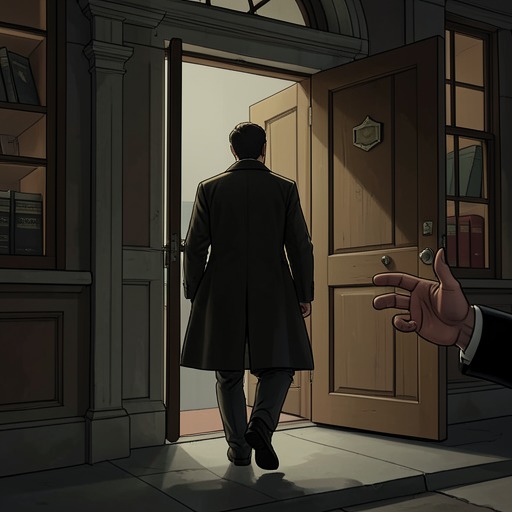
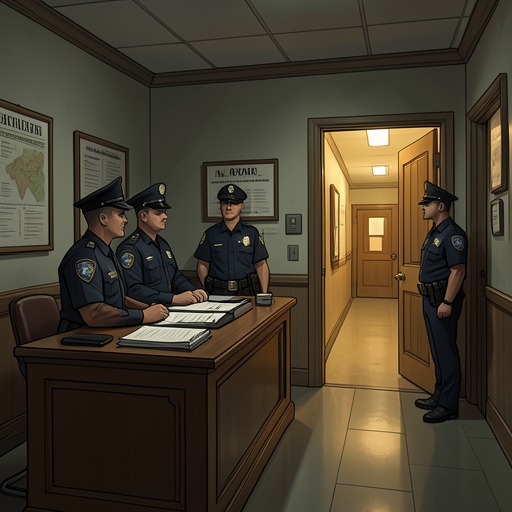
Anxious PeopleThe Special phone is a police handset that can make calls where ordinary signal is scarce. During the hostage crisis, it is used to give the negotiator a way to contact the Bank robber inside Hostage apartment. Later, its vibration shakes an unstable table and causes a pistol to fall and fire, creating the false impression that the Bank robber has shot herself. The phone’s practical value thus becomes inseparable from the misunderstanding that conceals her escape.
Design and place in police work
The device’s defining feature is its ability to make calls despite the lack of a reliable signal. The police have been given one, and Jack is pleased with it, even if Jim does not share his son’s enthusiasm for its technical intricacies. Jim does not know the proper name for the handset or how its technology works; he refers to it as a special telephone thingy that gets a signal where there is none. Jack, by contrast, has explained the phone to him in detail. Their difference in familiarity gives the device a small place in the father-and-son dynamic: Jack’s expertise is genuine, while Jim’s imprecise description becomes a running joke.
The phone is not merely a technical curiosity. It is the means by which the police can establish direct contact with the Bank robber while she is inside the apartment. Its capacity to work in a place with little signal makes it useful precisely because normal communication is difficult. The handset turns an abstract police capability into a physical object that can be passed into the crisis and used by the negotiator.
Delivery to the apartment
The police plan to get the Special phone to the Bank robber so the negotiator can call and discuss the hostages’ release. The negotiator is delayed in traffic and cannot reach the scene, so Jack agrees to arrange the delivery. He intends to use the phone the police already have, while the negotiator plans to call after the hostages have eaten, on the assumption that a meal will make negotiations easier.
The delivery method comes from Jim. Concerned that the Bank robber might interpret an unfamiliar phone as a trap, he suggests putting it in one of the pizza boxes being sent into the apartment. Jack takes up the idea, and the negotiator agrees. The phone’s journey into the hostage situation is therefore folded into an ordinary delivery: a device intended to support negotiation arrives concealed among food, rather than as a separate object that might provoke suspicion.
The plan also depends on a basic setting that Jack had specifically told Jim to check: the ringtone. It is not set as intended. The phone is left on a little table, and when the negotiator calls after the hostages have been released, the handset vibrates. What had been introduced as a helpful communications tool now acts without anyone deliberately handling it, transferring the call’s signal into movement in the room.
The accidental shot and the discovery
The table is unstable, standing on only three legs. The phone’s vibration makes it shake; a pistol lying beside it falls to the floor and fires. The bullet is found in the wall. Because the shot follows the hostages’ release and the phone call, the police initially believe the Bank robber has shot herself. But Jack examines the position of the table, the place where the pistol was found, and the bullet’s path. He concludes that the shot was accidental and that the Bank robber was not even in the apartment when it happened.
The phone therefore helps produce a convincing but false account of what has occurred. Its vibration triggers the sound that supports the police’s mistaken interpretation, while stage blood has been poured out in advance to make the supposed suicide appear real. When the call is made, the Bank robber has already escaped. The phone has not caused her disappearance, but the chain of events around it briefly helps hide the fact that she is gone.
Narrative significance
The Special phone’s role rests on a sharp contrast between intended function and physical consequence. It is introduced as the clever solution to a communications problem: because it can get a signal where ordinary phones cannot, the negotiator can speak to the Bank robber from a distance. Yet its overlooked settings, its placement beside the pistol, and the weakness of the table convert that solution into an accidental source of danger and confusion. The outcome depends not on a new decision by any character, but on the interaction of an incoming call with objects already in the room.
That reversal also changes what the apparent gunshot means. The police hear it as evidence that the Bank robber is still inside and has shot herself; Jack’s reconstruction shows that the sound instead marks an event occurring after her departure. The phone is thus part of the novel’s material chain of clues: a useful instrument, delivered in a pizza box, becomes the inadvertent trigger for the misreading that delays recognition of the escape.